
Dr. April Rich wins Outstanding PhD Scholar Award
September 30, 2026

Dr, April Rich received the Outstanding PhD Scholar Award for 2026 from the University of Pittsburgh School of Medicine. Congratulations to Dr. April Rich!
The Carvunis Lab vs IKEA Sofa
August 28, 2026

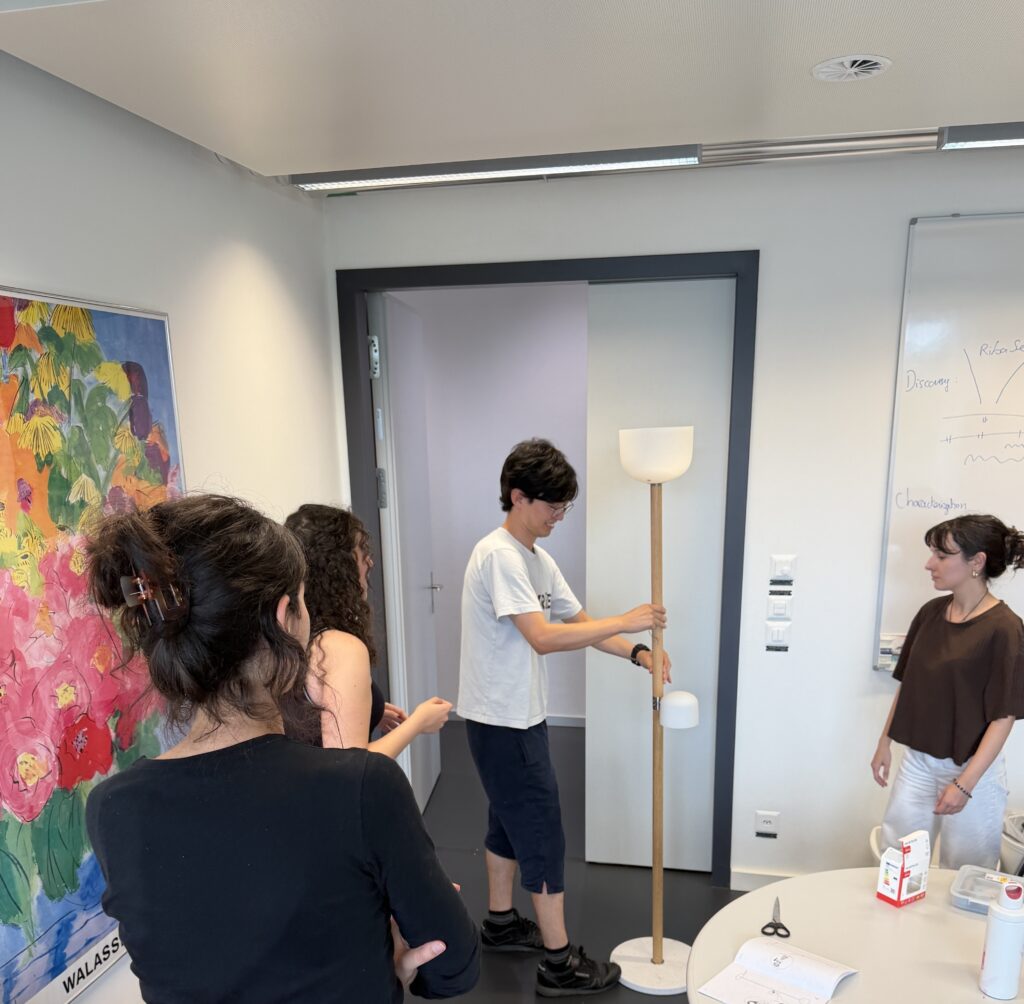
We returned from IKEA and then it was game on — flat packed furniture vs The Carvunis Lab! We had a race to see how fast we could build an IKEA sofa and we are confident that we are now pros. The biggest challenge was setting up the standing lamp that did not want to be straight, it’s still a bit crooked but science is always a work in progress … and maybe no one will notice.
April Rich Successfully Defends PhD Thesis
August 26, 2026
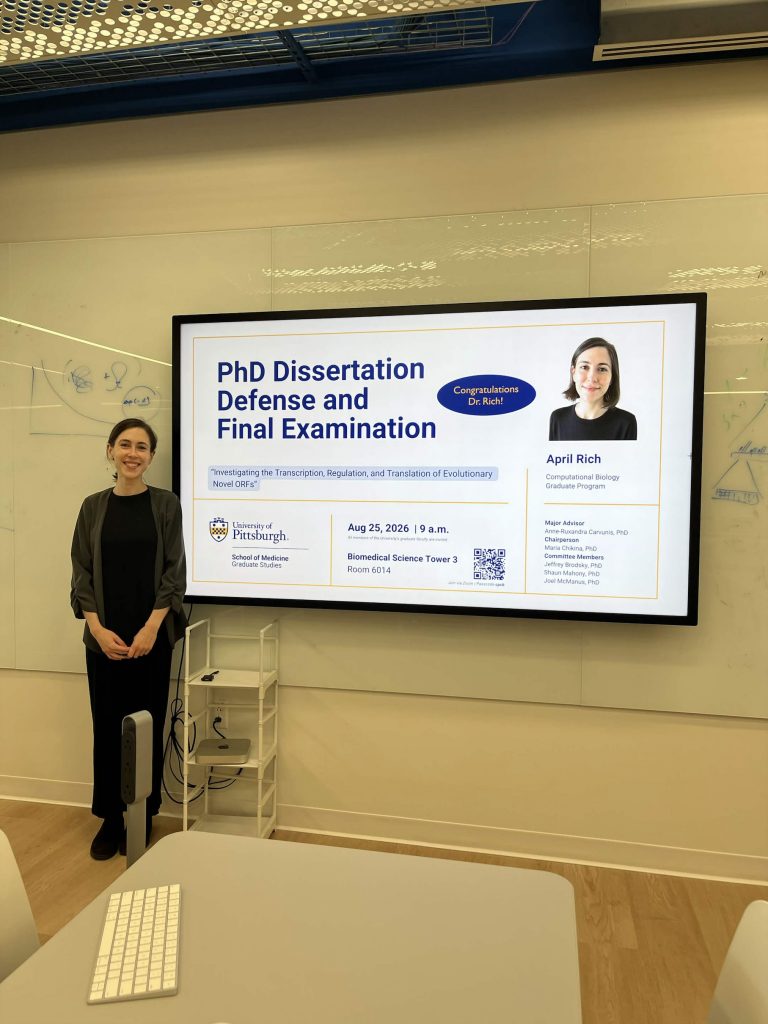
On August 25th, April Rich defended her PhD thesis, “Investigating the Transcription, Regulation, and Translation of Evolutionary Novel ORFs.” Congratulations Dr. April Rich!
The Carvunis Lab Takes a Trip to IKEA
July 27, 2026


The Carvunis Lab needed some more life and energy with plants and décor for the lab and office spaces. We had a very fun trip to IKEA to get some plants to decorate our offices and test out some sofas. Of course we also enjoyed the yummy meatballs before ending our shopping trip. We’re happy to report that the plants are enjoying their new homes and already getting new leaves!
Aaron Wacholder and Jiwon Lee Publish Paper on the Detection of Human Unannotated Microproteins in Nature Communications
January 26, 2026

Research by lab members Aaron Wacholder and Jiwon Lee that assesses mass spectrometry-based identifications of human proteins from proteomics and peptidomics datasets has been published in Nature Communications. Check out the paper!
New Paper on the Role of Tandem Repeats and Stop Codon Mutations in a Human de novo ORF
January 13, 2026
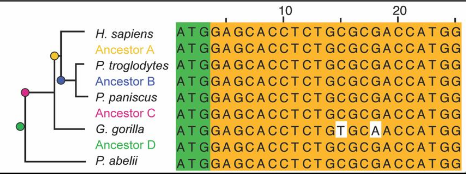
A new paper is out in Genome Biology and Evolution by lab members Lin Chou and Jiwon Lee. This study reconstructs the evolution of orf143, a long de novo human ORF that arose in simians from a noncoding region via a start-codon–creating mutation and was subsequently elongated through stop codon disruption and tandem repeat expansion. The overlap of orf143 with oncogenic binding sites in the lncRNA VPS9D1-AS1 suggests that translation of this de novo ORF may confer a tumor-suppressive selective advantage. This study illustrates how elongation of de novo ORFs may provide a selective advantage. Check out the paper!
Happy Halloween 2025! And the Beginning of a New Journey for The Carvunis Lab
November 10, 2025


We held a series of gatherings to celebrate our last days together with all colleagues in Pittsburgh. It has been an honor to meet here and to do science side-by-side. This November, The Carvunis Lab will be moving to ETH Zürich in Switzerland to begin a new scientific adventure. We are truly grateful to everyone in Pittsburgh for welcoming us, supporting us, and making this chapter so meaningful. Thank you, Yinz!
Carvunis Lab Retreat 2025
April 29, 2025


The lab spent the day participating in a fun research pitch activity, having lunch at Kaya, and ended by playing mini golf at Puttshack. Congrats to April, Katie, and Lin for winning the research pitch activity and to Carly for winning mini golf! Thank you Nozomu for planning the day!
New Preprint on Detection of Human Unannotated Microproteins
February 23, 2025
A new preprint by lab members Aaron Wacholder and Jiwon Lee assesses mass spectrometry-based identifications of human proteins from proteomics and peptidomics datasets. Check out the preprint!
The Carvunis Lab Attends Microproteins Conference
February 7, 2025

Members of The Carvunis lab attended the Keystone Symposia, Microproteins: from Discovery to Applications conference held in Beverly, MA. Congratulations to Carly Houghton who won an award!
Nelson Makes a Galette des Rois for King’s Day
January 6, 2025


The Carvunis Lab celebrated Three King’s Day on January 6th with a delicious Galette Des Rois (king cake) made by Nelson. Traditionally, one slice of the cake contains a small figurine, and the person who receives that slice is crowned the king. Whoever is crowned king will have luck and good fortune for the year. Normally, the youngest person in the family closes their eyes and decides who gets each slice of the cake. Since Emma is the newest member in our lab member, she chose. This year Lin is king!
The Carvunis Lab Hosts Halloween Social Hour
October 31, 2024


The Carvunis Lab hosted a Halloween Social Hour for the CSB department with karaoke, spooky-themed food and drinks, and a costume contest. Thanks to Jiwon and others for all their hard work in organizing and planning this event. Congratulations to Lin, who won the costume contest for his inspired spotted lanternfly costume!
New Commentary Paper from The Carvunis Lab
October 24, 2024
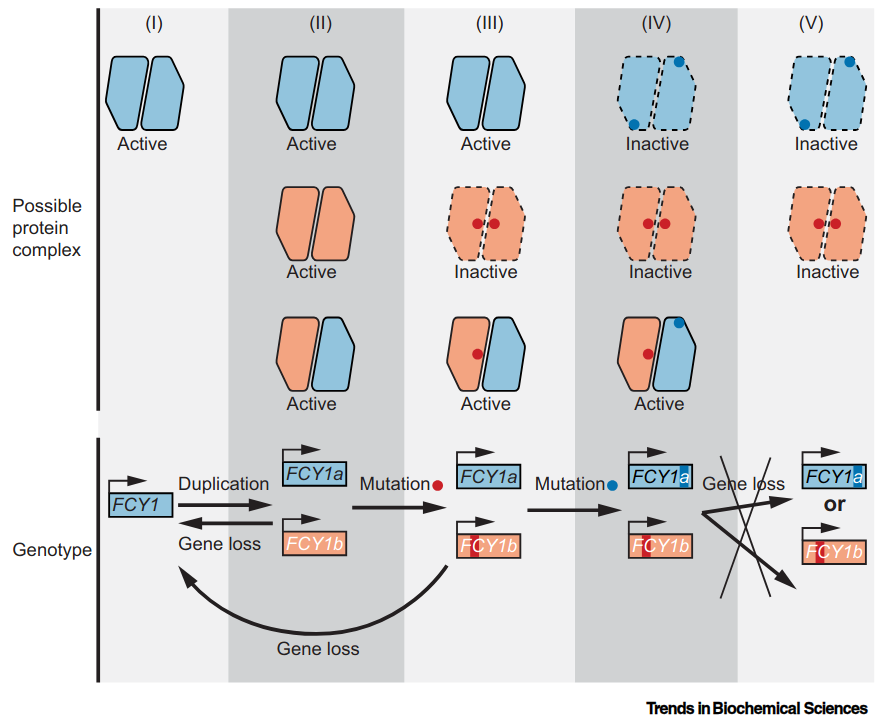
Members in The Carvunis lab wrote a commentary for a recent study quantifying the key parameters for a homodimer to evolve into an obligate heterodimer through neutral evolution and discuss its implications in biological innovations. Read more about it here
New Preprint on Annotating Human nORFs: High-quality peptide evidence for annotating non-canonical open reading frames as human proteins
September 10, 2024
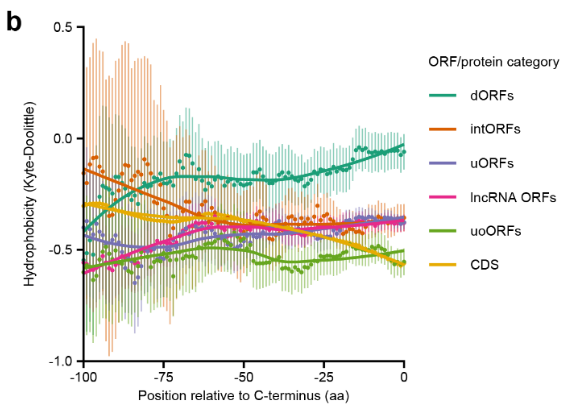
New collaborative preprint details a framework for annotating noncanonical open reading frames (nORFs) in humans. Read more about it here
New Preprint on the Cell Processing of de novo Emerging Protein: Cellular processing of beneficial de novo emerging proteins
August 29, 2024
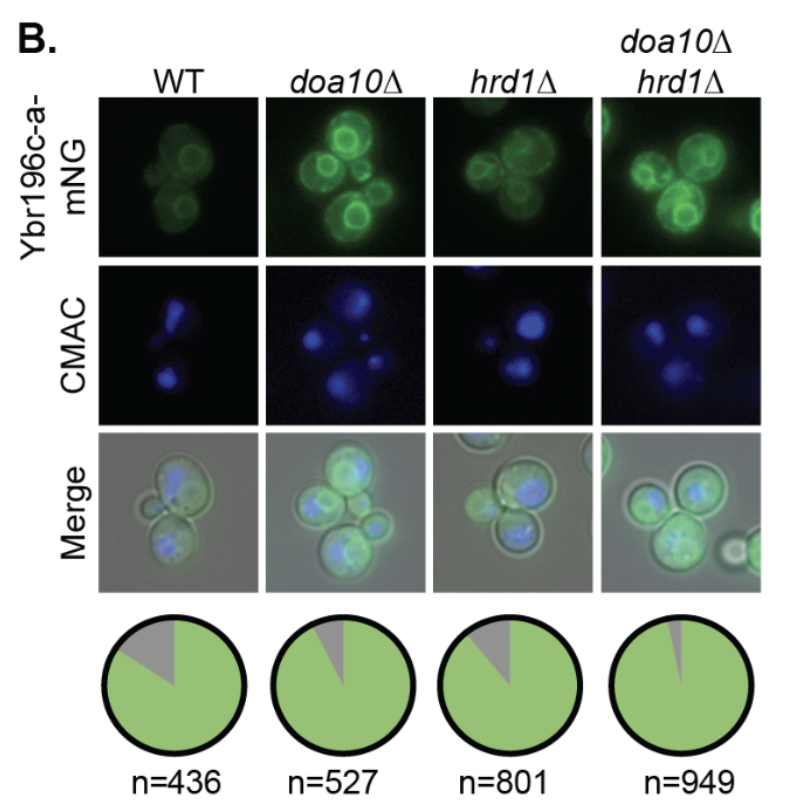
This new preprint from The Carvunis Lab investigates common features between 26 de novo emerging proteins that have previously been associated with growth benefits in yeast. Many of these de novo emerging proteins preferentially localize to the ER and use evolutionarily conserved cell sorting pathways to get there. Read more about the cellular processing and localization of de novo emerging proteins here
Congratulations to April Rich for Winning Two Awards at the CPCB Retreat!
August 23, 2024

CPCB student April Rich was awarded the “Outstanding Research” award and the “Best Research Poster” award at this year’s annual CPCB retreat. Congratulations April!
Farewell to Our Summer Students and Our Research Specialist, John Iannotta
July 31, 2024


On July 26, we had a farewell party for Breanna, Will, Kaite, and John. We wish them success in their careers and thank them for being a part of the lab.
New Publication on the Coexpression Network of Noncanonical ORFs: Massively integrated coexpression analysis reveals transcriptional regulation, evolution and cellular implications of the yeast noncanonical translatome
July 9, 2024

April Rich and and Omer Acar’s paper on the coexpression network of yeast noncanonical ORFs has now been published in Genome Biology. Check out the paper here
The Carvunis Lab Picnic 2024
July 3, 2024


On July 2nd, we had a fantastic multicultural potluck at Shenley Park! The event was a colorful mix of delicious dishes from various cultures, creating a lively and welcoming vibe.
Thank You for Participating in the “Gene Expression Analysis Workshop”
June 27, 2024
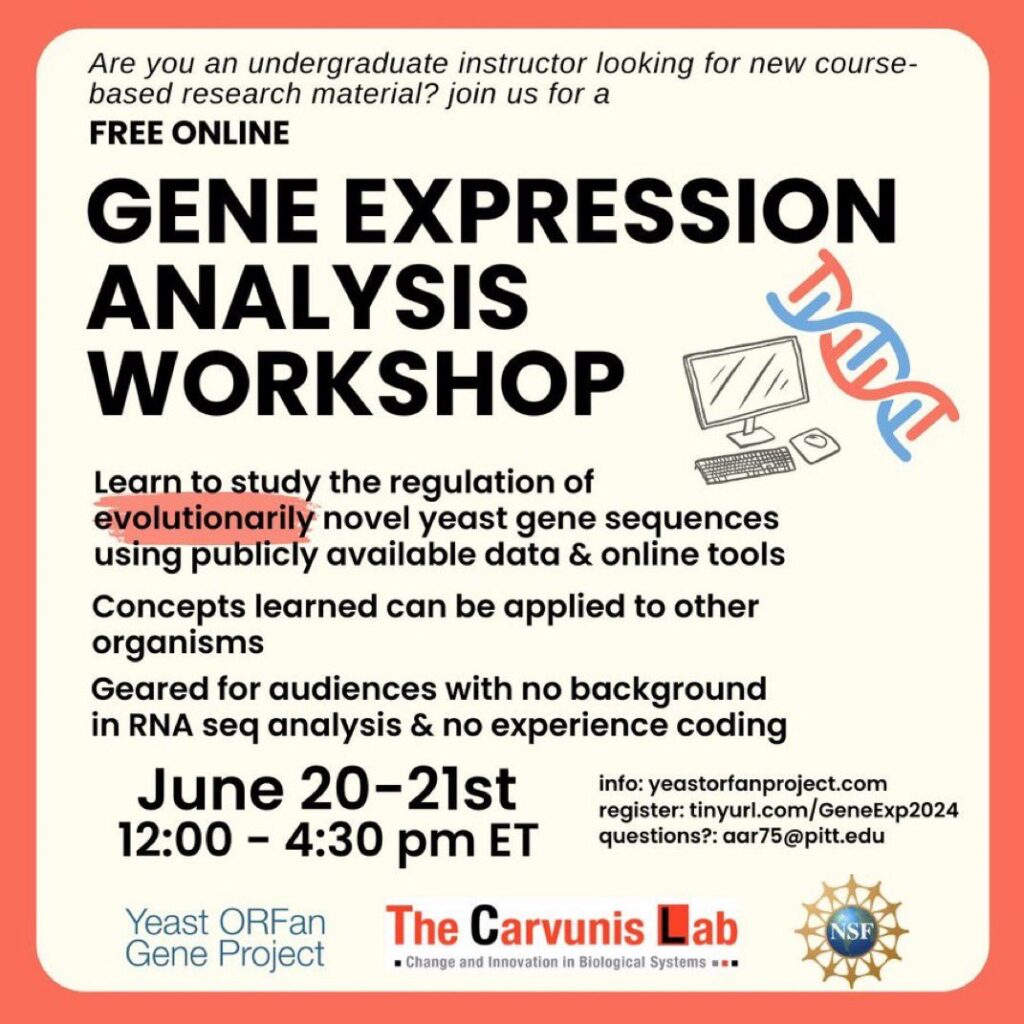
The Carvunis Lab hosted an online Gene Expression Analysis Workshop on June 20th and 21st. We were thrilled to welcome participants from all over the world. We sincerely appreciate the enthusiastic participation and engagement from everyone who attended. Your contributions made the event a success! All modules are still available online for those who couldn’t attend or would like to revisit the material. You can access them here
The Carvunis Lab Is Now Accepting Applications for Undergraduate Summer Interns (paid position)
February 8, 2024
The Carvunis Lab is seeking undergraduate summer interns as part of the “adopt a proto-gene” initiative. This is a paid 10 week position from May 20th – July 26 2024. Undergraduates will learn how to design and execute a research experiment while gaining experience in techniques such as cloning, microbial phenotyping, high throughput robotics, and bioinformatics. Applications are due by March 5th. You can learn more about the position and apply here
Protocol Paper on iRibo Published
January 18, 2024
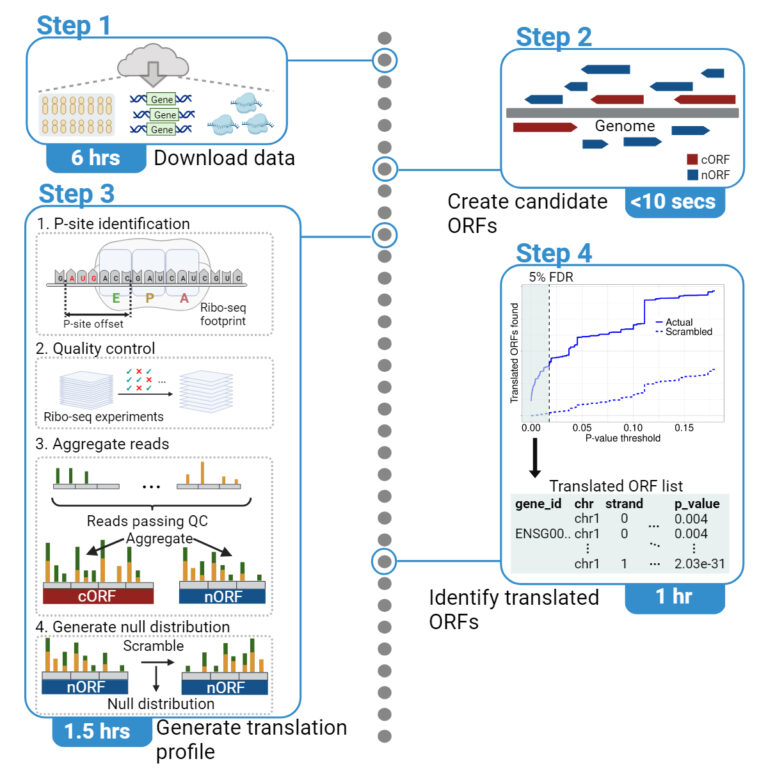
A protocol paper on iRibo, a software program that can massively integrate ribosome profiling experiments to generate a species’s translatome, is now published in STAR Protocols. The protocol describes the steps needed to generate the yeast translatome in Aaron Wacholder’s Cell Systems paper.
New Preprint on the Use of Ancestral Sequence Reconstruction in Studying de novo genes: Ancestral Sequence Reconstruction as a tool to detect and study de novo gene emergence
January 2, 2024

A new preprint by our collaborator Nikolaos Vakirlis and former lab members Omer Acar and Vijay Cherupally formally evaluates the applicability of Ancestral Sequence Reconstruction (ASR) in the detection of de novo gene emergence. You can check it out here
New Publication on the Limitations of MS to Detect the Noncanonical Translatome:
Biological factors and statistical limitations prevent detection of most noncanonical proteins by mass spectrometry
December 4, 2023

Aaron Wacholder’s preprint on the substantial limitations of shotgun mass-spectrometry in finding many biologically relevant lowly expressed proteins is now published in PLOS Biology. You can find the publication here
Saurin Parikh Successfully Defends his PhD thesis!
November 27, 2023


Our lab member, Saurin Parikh becomes the second PhD student from The Carvunis lab to successfully defend their PhD thesis this year. His work focused on “Leveraging the genotype-phenotype relationship to explore the traditional and novel facets of cell biology.” Saurin is going to join the Technology Transfer Team at the University of Rochester in the new year. We wish him all the best for his future endeavors!
Carvunis Lab Attends SMBE Satellite Meeting on de novo Gene Birth
November 17, 2023
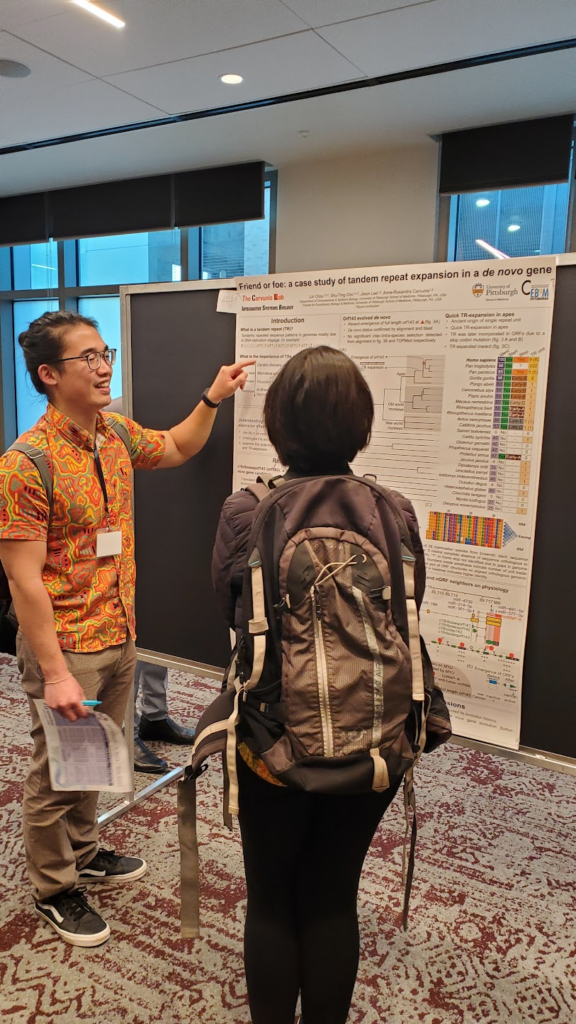
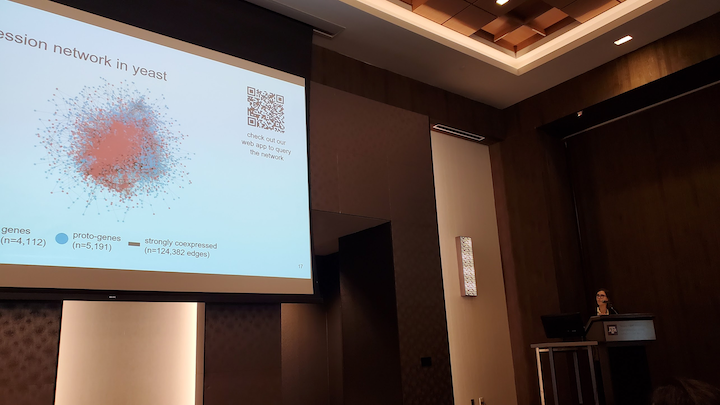
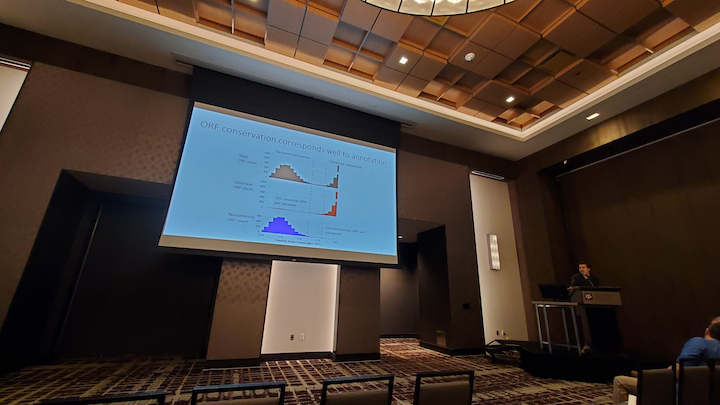

Multiple members of The Carvunis Lab attended the first ever SMBE Satellite Meeting on de novo gene birth at Texas A&M University in College Station, Texas. We arrived with multiple posters and presentations to showcase the diversity of work we’re doing in the lab on this topic. We hope that this was the first of many such conferences. Please reach out to us if you were there and would love to learn more about the work in our lab.
Summer Students in The Carvunis Lab Publish a uPublication
October 23, 2023

Summer students in The Carvunis Lab used computational prediction tools, co-expression analysis and fluorescence microscopy to suggest that an unannotated translated open reading frame in Saccharomyces cerevisiae genome (systemically labeled YGR016C-A in Wacholder et al., 2023) localizes to the endoplasmic reticulum. Read more about this tremendous effort here and here
The Carvunis Lab Receives NIH Director’s Transformative Research Award!
October 3, 2023

The Carvunis Lab is going to receive the prestigious NIH Director’s Transformative Research Award (TRA)! A part of NIH’s High-Risk, High-Reward Research program, the TRA supports “individuals or teams proposing transformative projects that are inherently risky and untested but have the potential to create or overturn fundamental paradigms”
The Carvunis Lab is honored to have received this award along with the Joglekar, Atianand and Subramaniam Labs.
April Rich Wins the Best Student Talk at the CPCB retreat!
August 25, 2023

April Rich won the “Best Student Talk” Award at the CPCB retreat! Congratulations April!
April Rich’s BioZone was featured in PittMed Magazine
August 21, 2023

April Rich’s science YouTube channel bioZone was featured in the Summer 2023 edition of Pitt Med Magazine. Check out her YouTube channel here.
Lord and Carvunis Labs Picnic Together
August 18, 2023


The Lord and Carvunis Labs take best advantage of a sunny day in the Burgh to celebrate a joint lab picnic!
Jiwon Lee won the CEBaM Catalyst Award
June 30, 2023

Jiwon Lee won the 2023 Catalyst Award from the Center for Evolutionary Biology and Medicine (CEBaM). The Catalyst Award Program provides funding to PhD students and postdoctoral scholars at the University of Pittsburgh to perform research at the interface of evolutionary biology and medicine. Congratulations Jiwon!
Farewell Party for Omer Acar
June 22, 2023


This week is the last week for Omer Acar, The Carvunis Lab’s very first Ph.D. We got together to celebrate this big milestone for Omer (Dr. Acar!), Dr. Carvunis, and everyone in the lab. We prepared a little gift for him and wish him all the best for his new career in the industry!
Aaron Wacholder’s Yeast Translatome Paper is Published in Cell Systems: A vast evolutionarily transient translatome contributes to phenotype and fitness
May 18, 2023

Aaron Wacholder identified the vast translatome of yeast through large-scale integration of ribosome-profiling data, and showed that these translated elements are mostly evolutionarily transient. The paper is published in Cell Systems. Congratulations Aaron and all the co-authors!
Omer Acar Successfully Defends His PhD thesis!
May 11, 2023


Omer Acar successfully defended his PhD thesis entitled, “Understanding cellular innovation and complexity with a network perspective.” He’s the first student in The Carvunis Lab to earn a PhD while working in the lab. Congratulations Dr. Acar!
The Carvunis Lab Is Co-Hosting an Online Gene Evolution Workshop for Educators
May 3, 2023

The Carvunis Lab is excited to co-host a gene evolution workshop for instructors and educators, with a special focus on proto-genes. These unannotated, evolutionary novel genes offer unique insight into molecular evolution.
During this year’s online workshop, we will cover:
- Ancestral Sequence Reconstruction – Explore the past by tracing the evolutionary history of a sequence
- Cellular Localization Algorithms – Predict where proto-proteins reside within cells
- Protein Structure Prediction Algorithms – Predict and visualize the 3D structure of proto-proteins.
No coding or software experience is required to participate. The workshop will be held via Zoom on June 13-14th, Registration is free!
Registration ends June 5th. Register here
For more information check out the adopt a proto-gene website or email April Rich at aar75[at]pitt[dot]edu
Research spotlight: “Life finds a way”
April 28, 2023

Check out this article in ASBMB Today Magazine, showcasing the recent publication in Journal of Biological Chemistry from The Carvunis Lab and collaborators on the function of the previously uncharacterized gene, YLL058W.
Lab Manager Nelson Castilho Coelho Receives Sustainability Award from University of Pittsburgh!
April 24, 2023

Lab Manager, Nelson Castilho Coelho received the 2023 Pitt Sustainability Award. This award “recognizes Pitt faculty, staff, students, and groups who are making an extraordinary impact on campus sustainability. These individuals or groups could have demonstrated their impact in one or more categories of the Pitt Sustainability Plan (Stewardship, Exploration, and/or Community and Culture) via ideas, talents, and passions that contribute to a thriving culture of sustainability at Pitt.” Congratulations Nelson!
The Carvunis Lab Receives HFSP grant!
April 10, 2023

The Carvunis Lab is honored to have been awarded the prestigious Human Frontier Science Program (HFSP) research grant! This grant promotes international collaboration and groundbreaking research. The funded project is entitled “New Kids on the Block: how de novo emerged micropeptides rewire cellular networks.”
Nelson Castilho Coelho Selected as a GSA Presidential Member
March 31, 2023

Nelson has been selected as a Presidential Member of the Genetics Society of America. Congratulations Nelson! Read more about the Presidential Members here.
New Preprint Explores the Transcriptional Network of Noncanonical ORFs
March 20, 2023

New preprint available from April Rich and Omer Acar looks at the transcription of noncanonical ORFs, “Massively integrated coexpression analysis reveals transcriptional regulation, evolution and cellular implications of the noncanonical translatome.”
Check out the preprint here.
New Preprint on the Rarity of Finding Noncanonical ORFs in Mass Spectrometry
March 12, 2023
New preprint available from Aaron Wacholder about how the protein products of translated noncanonical ORFs in yeast can very rarely be detected using shotgun mass spectrometry data, “Biological Factors and Statistical Limitations Prevent Detection of Most Noncanonical Proteins by Mass Spectrometry.”
Check out the preprint here
New Perspective Piece from The Carvunis Lab Published in Nature Ecology & Evolution
January 2, 2023
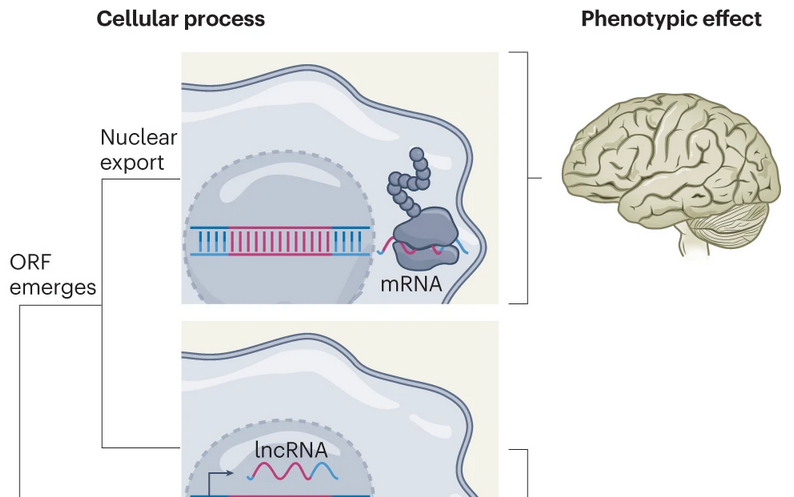
The Carvunis Lab published a new perspective piece describing the work of An et al. which shows that acquiring the ability to leave the nucleus is a major hurdle to cross towards becoming a protein-coding gene and the consequence of gaining such ability in one gene played a role in human brain evolution.
Check out the perspective piece here.
Check out An et al.’s paper here.
You can also read an interview with Dr. Carvunis in a Science article, “Human gene linked to bigger brains was born from seemingly useless DNA,” here.
Students Can Discover and “Adopt” Proto-Genes
December 16, 2022

The Carvunis Lab’s NSF-funded Adopt-a-Proto-Gene initiative aims to get young researchers interested in proto-genes, improve evolutionary literacy and encourage pursuing STEM careers. Read more about the program from two undergraduate students who experienced it this summer in PITTMED‘s winter 2022/23 issue, here.
The Carvunis Lab Discovers a New Enzyme in a Collaborative Paper!
November 12, 2022
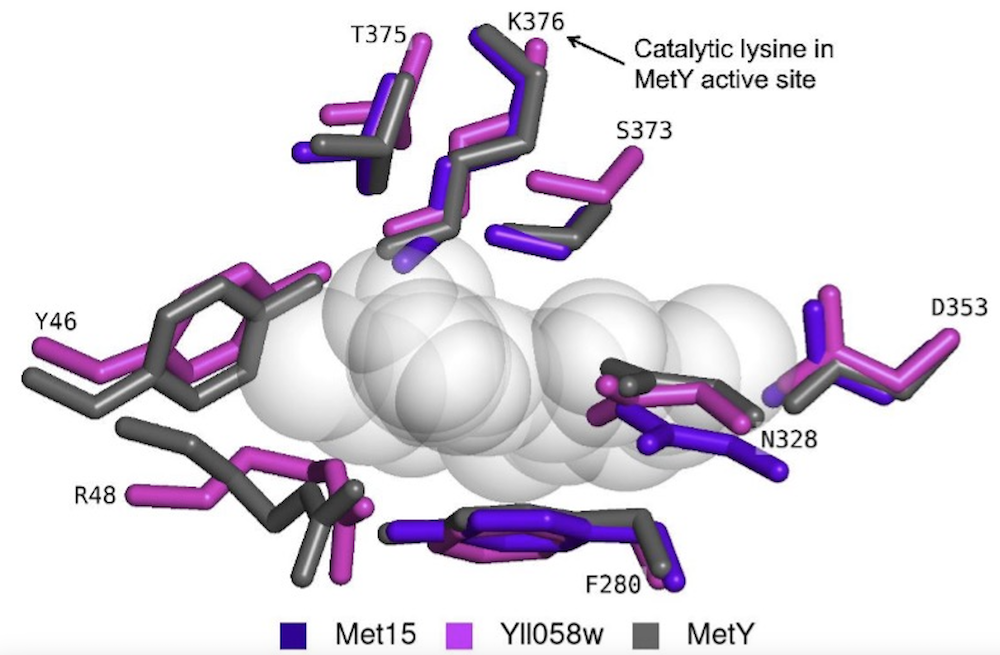
New collaborative research article by Branden Van Oss, Saurin Parikh and Nelson Castilho Coelho, et al. explores the mysterious growth of yeast cells lacking the MET15 gene in media lacking organosulfurs like methionine. They demonstrate through structural and evolutionary modeling, in vitro kinetic assays, and genetic complementation, that an alternative homocysteine synthase encoded by the previously uncharacterized gene YLL058W enables these cells to assimilate inorganic sulfur.
Read more here and here.
April Rich’s bioZone YouTube channel Wins an Award!
August 26, 2022
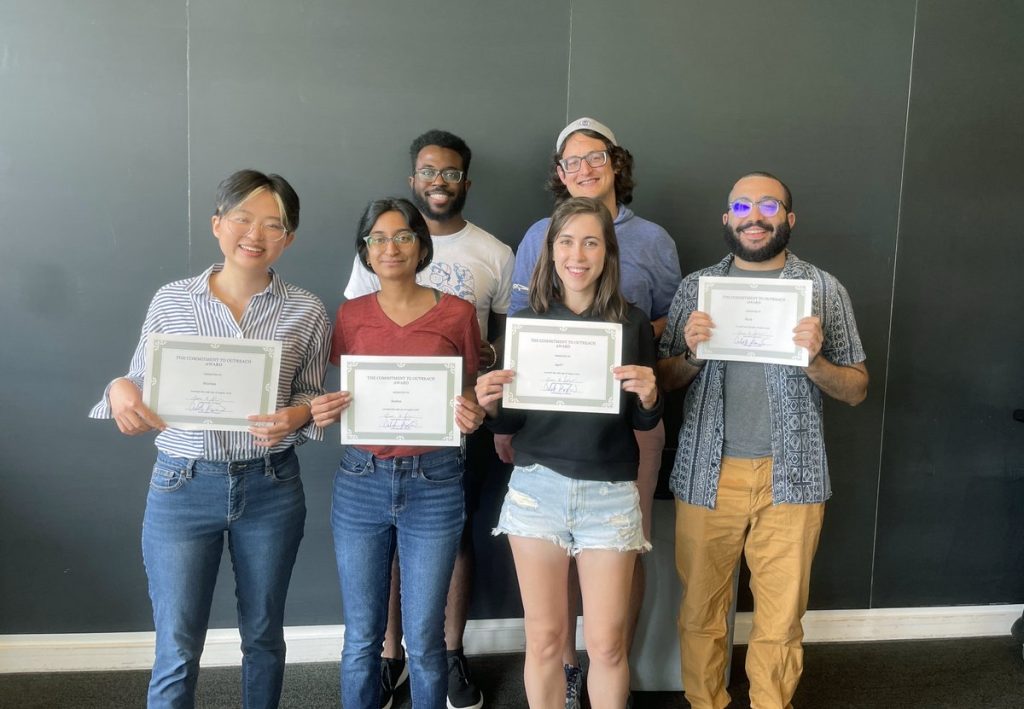
April’s bioZone YouTube channel received an award for their commitment to outreach from the CMU-Pitt Computational Biology Program. Congratulations and well deserved April!
De novo Genes and Yeasts
April 12, 2022


New review article by Carvunis lab members: Saurin Parikh, Carly Houghton, Branden Van Oss and Aaron Wacholder! The article, published in Yeast, describes why the Yeasts are particularly well suited to address fundamental questions about de novo gene emergence.
Read more about it and their new evolutionary systems biology approach for de novo gene characterization here (PDF) and here (online access).
New Collaborative Paper About Translatome and Annotation
July 13, 2022

A new paper about a community-led effort that produces a standardized catalog of 7,264 human Ribo-seq ORFs.
Read more here!
Dr. Anne-Ruxandra Carvunis Promoted to Associate Professor with Tenure Today! Congratulations!
July 1, 2022

Today, Dr. Anne-Ruxandra Carvunis is an Associate Professor with tenure at The University of Pittsburgh!
New Collaborative Paper About RNA Processing
June 4, 2022
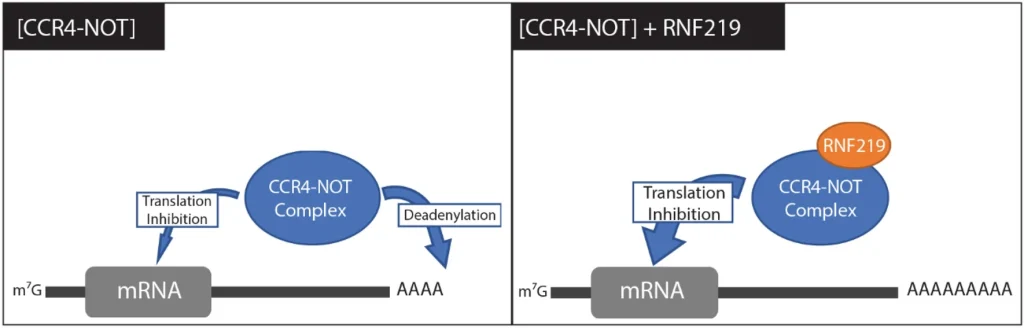
A new paper in Scientific Reports investigates the role of the RING finger protein RNF219 in post-transcriptional regulations, “RNF219 regulates CCR4-NOT function in mRNA translation and deadenylation.”
Read more here.
New Paper on Information Flow in Genetic Networks
June 2, 2022

A new paper from Omer Acar on identifying long-range interactions in genetic networks using elastic network models, “Elastic network modeling of cellular networks unveils sensor and effector genes that control information flow”
Read more in PLOS Computational Biology, here.
2022 CEBaM Retreat
May 3, 2022


We had a wonderful retreat with our colleagues in the Pittsburgh Center for Evolutionary Biology and Medicine (CEBaM).
Undergraduate Summer Research Position Now Open
March 29, 2022

Funded by an NSF Career Award, The Carvunis lab is offering a paid 10-week summer position running from May 31st, 2022 to August 12th, 2022. Selected undergraduates will learn how to design and execute a research experiment while practicing various wet-lab techniques including cloning, microbial phenotyping, high throughput robotics, and bioinformatics. The undergraduates will meet weekly with their summer mentor, participate in the laboratory’s journal clubs, attend small group meetings, local seminars, and present their research at the weekly group meeting at the end of the summer. Interested applicants should reach out to Kate McCourt with any question (kmm325 [at] pitt [dot] edu). More information about the program is here.
Branden Van Oss Presents at Pittsburgh Area Yeast Meeting
March 25, 2022

Branden Van Oss presented research from his new preprint at the Pittsburgh Area Yeast Meeting. After the meeting, everyone celebrated the team’s manuscript submission.
The Carvunis Lab Holds an In-Person Lab Meeting
March 18, 2022

The Carvunis Lab enjoys another in-person lab meeting!
Dr. Carvunis Receives The Chancellor’s Distinguished Research Award
March 2, 2022

Dr. Anne-Ruxandra Carvunis has been awarded the 2022 Chancellor’s Distinguished Research Award for her innovative work on novel gene emergence. The award release describes Dr. Carvunis as “one of just a handful of the foremost experts on this phenomenon.”
Read more here (Faculty Convocation Highlights) and here (PittWire).
Dr. Carvunis and The Carvunis Lab Receive NSF CAREER Award
January 20, 2022

Dr. Anne-Ruxandra Carvunis and The Carvunis Lab received the National Science Foundation CAREER award to study how the widespread translation of evolutionary novel sequences impacts physiology and fitness in yeast. The research will be integrated with a far reaching educational project in collaboration with Primarily Undergraduate Institutions across the United States.
“The Faculty Early Career Development (CAREER) Program is a Foundation-wide activity that offers the National Science Foundation’s most prestigious awards in support of early-career faculty who have the potential to serve as academic role models in research and education and to lead advances in the mission of their department or organization.”
Click here to read more about the NSF CAREER award.
New Preprint on Sulfur Metabolism in Yeast
January 20, 2022
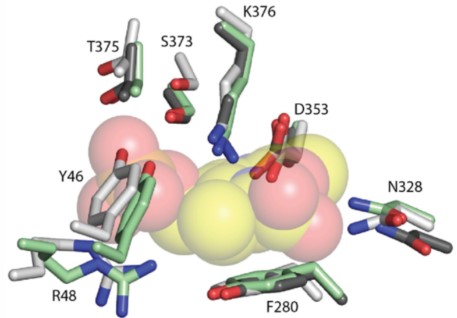
A new preprint available from Dr. Branden Van Oss et al. challenges current models of sulfur metabolism in yeast, with the discovery of another enzyme involved in homocysteine production, “On the illusion of auxotrophy: met15Δ yeast cells can grow on inorganic sulfur thanks to the previously uncharacterized homocysteine synthase Yll058w.”
Read more here.
Tracing the Evolution of a Mammalian Microprotein
November 23, 2021
Jiwon Lee and Aaron Wacholder have discovered that SPAAR, a microprotein thought to be exclusively in placental mammals, actually exists in marsupials and monotremes like the platypus! Even though it is much more ancient than previously thought, it has changed a lot to the point of diverging almost beyond recognition, including a cool elongation in primates that appears under positive selection!
Read more in an open access article, “Evolutionary Characterization of the Short Protein SPAAR.” This article is part of a Special Issue “How do new genes originate and evolve?” The issue includes many more exciting articles on molecular innovation.
Halloween 2021 in The Carvunis Lab
October 19, 2021


The Carvunis Lab celebrated the fall season with a field trip to a local pumpkin patch and apple orchard! We spent the day picking pumpkins and apples, wandering through a corn maze, and sipping on warm apple cider. Happy autumn!
Dr. Carvunis and Dr. Wacholder speak to Science Careers
September 16, 2021

Dr. Anne-Ruxandra Carvunis and Dr. Aaron Wacholder were interviewed for a recent article in Science Careers about the importance of performance reviews for early-career researchers and their advisors.
Check out the article here.
Happy End of Semester!
August 24, 2021
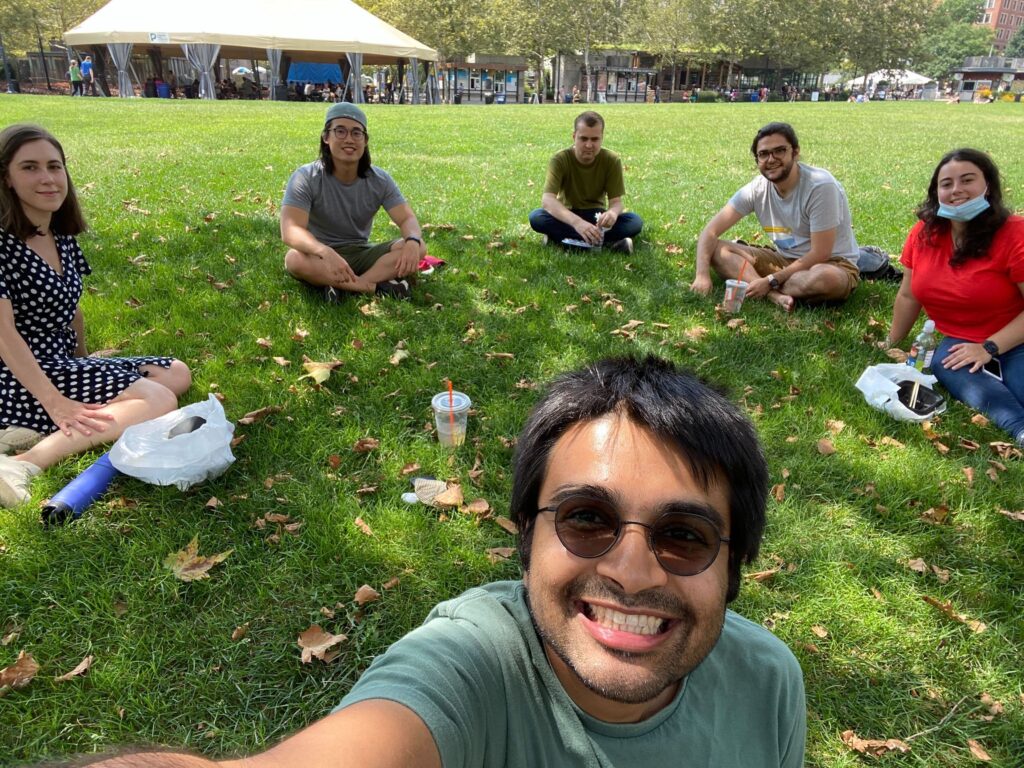
The Carvunis Lab celebrates the end of the summer semester with some fun outdoors!
New Preprint Investigates the Evolutionarily Transient Translatome
August 23, 2021

New preprint from Aaron Wacholder that identified ~19,000 noncanonical translated elements through integration of multiple ribo-sequencing datasets, “A vast evolutionarily transient translatome contributes to phenotype and fitness.”
Read more here.
The Carvunis Lab Meets in Person!
June 21, 2021

The Carvunis Lab met for lab meeting in person for the first time in over a year! Great science presented by Jiwon Lee, followed by ice cream.
New Preprint on a Collaboration Towards a Reference Translatome Using Ribo-seq
June 11, 2021
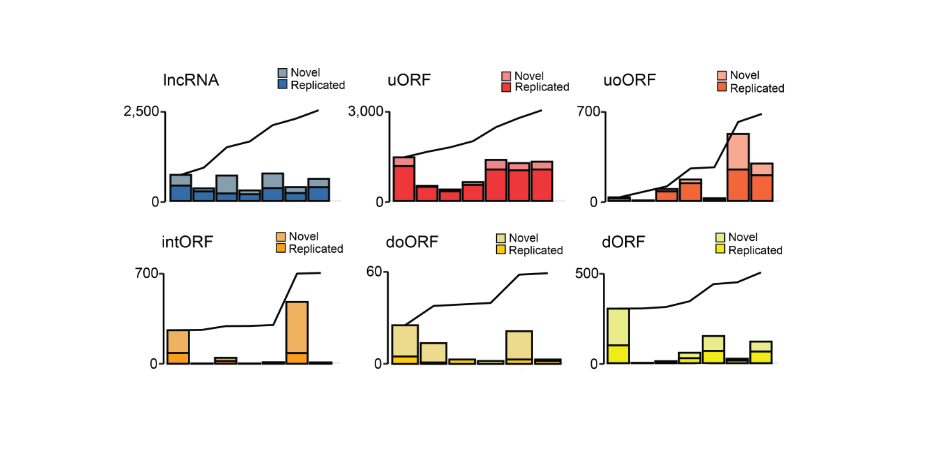
New preprint released discussing the challenges of ORF detection and annotation using ribo-sequencing, “A community-driven roadmap to advance research on translated open reading frames detected by Ribo-seq.”
Read more here.
New Preprint on Information Flow in Genetic Networks
June 9, 2021
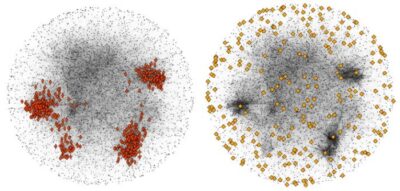
A new preprint from Omer Acar on identifying long-range interactions in genetic networks using elastic network models, “Elastic Network Modeling of Cellular Networks Unveils Sensor and Effector Genes that Control Information Flow.”
Read more here.
April Rich awarded Graduate Research Fellowship!
March 23, 2021

April Rich has been awarded the NSF Graduate Research Fellowship for her strong research potential and scientific communication outreach! Congratulations to April for this great accomplishment.
LI Detector Methodology Published in G3!
March 12, 2021
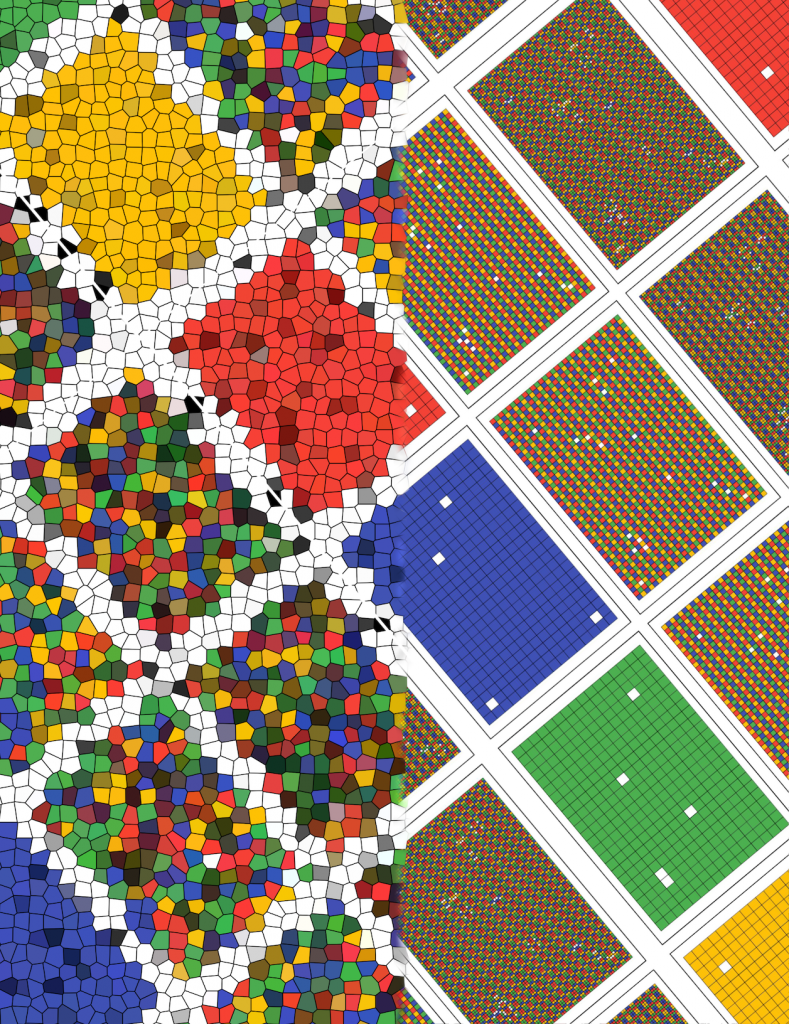
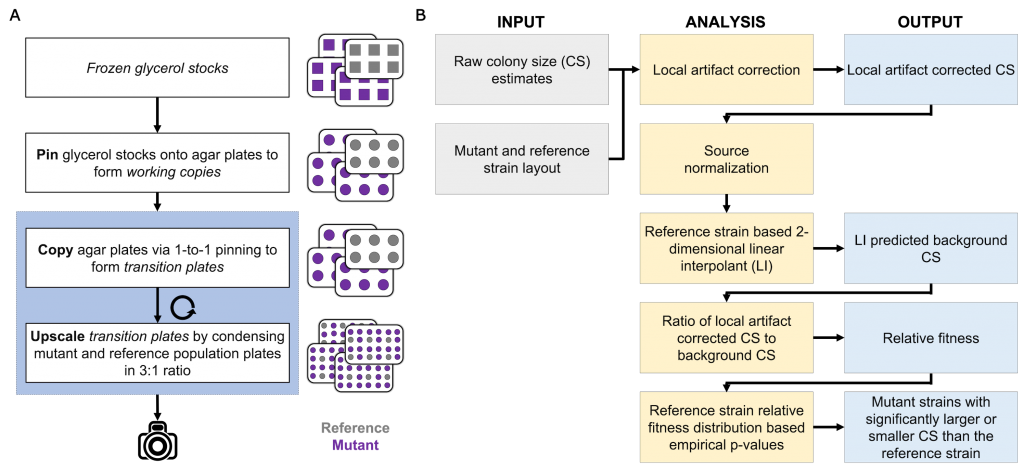
Dr. Carvunis, Dr. Saurin Parikh, and Nelson Castilho Coelho have published a new article in G3, “LI Detector: a framework for sensitive colony-based screens regardless of the distribution of fitness effects.”
Check it out here.
Dr. Anne-Ruxandra Carvunis Wins 2021 Sloan Fellowship!
Februrary 15, 2021
Dr. Anne-Ruxandra Carvunis has been selected as a 2021 Sloan Fellow. This prestigious award is given to early-career scientists who “represent the most promising scientific researchers working today.” Congratulations to Dr. Carvunis for this remarkable achievement!
April Rich’s YouTube Channel bioZone Featured in Pittwire!
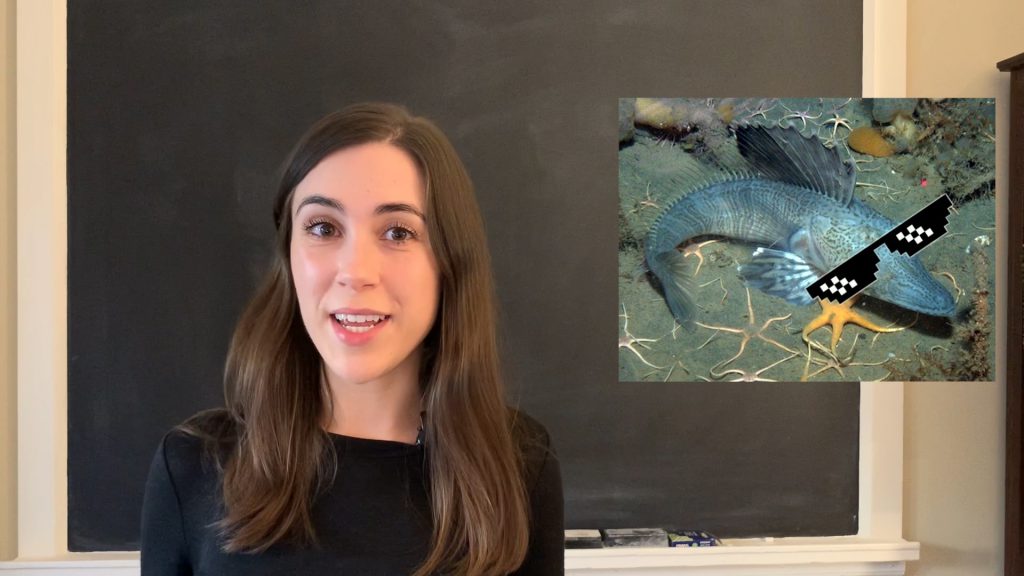
Pittwire featured April Rich and her educational YouTube channel, bioZone, which explores a variety of fascinating biological subjects.
Check out her YouTube channel, bioZone here.
LI Detector Publication Accepted by G3!
January 12, 2021
A new publication by Dr. Saurin Parikh and collaborators describing a novel method for analyzing mutant fitness in high throughput screens has been accepted for publication in G3. Congratulations Saurin!
New Publication in Cell Systems
July 2, 2020

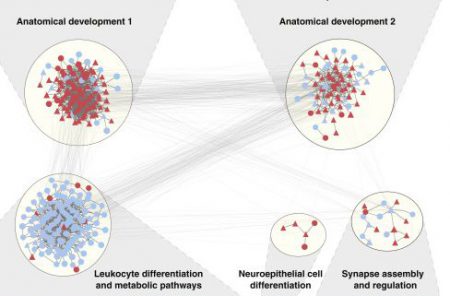
Check out this new publication from the Dr. Carvunis and collaborators in Cell Systems that investigates Dog-to-Human aging from a network biology perspective, “Quantitative Translation of Dog-to-Human Aging by Conserved Remodeling of the DNA Methylome.”
The Carvunis Lab Is Now a Green Lab!
May 4, 2020
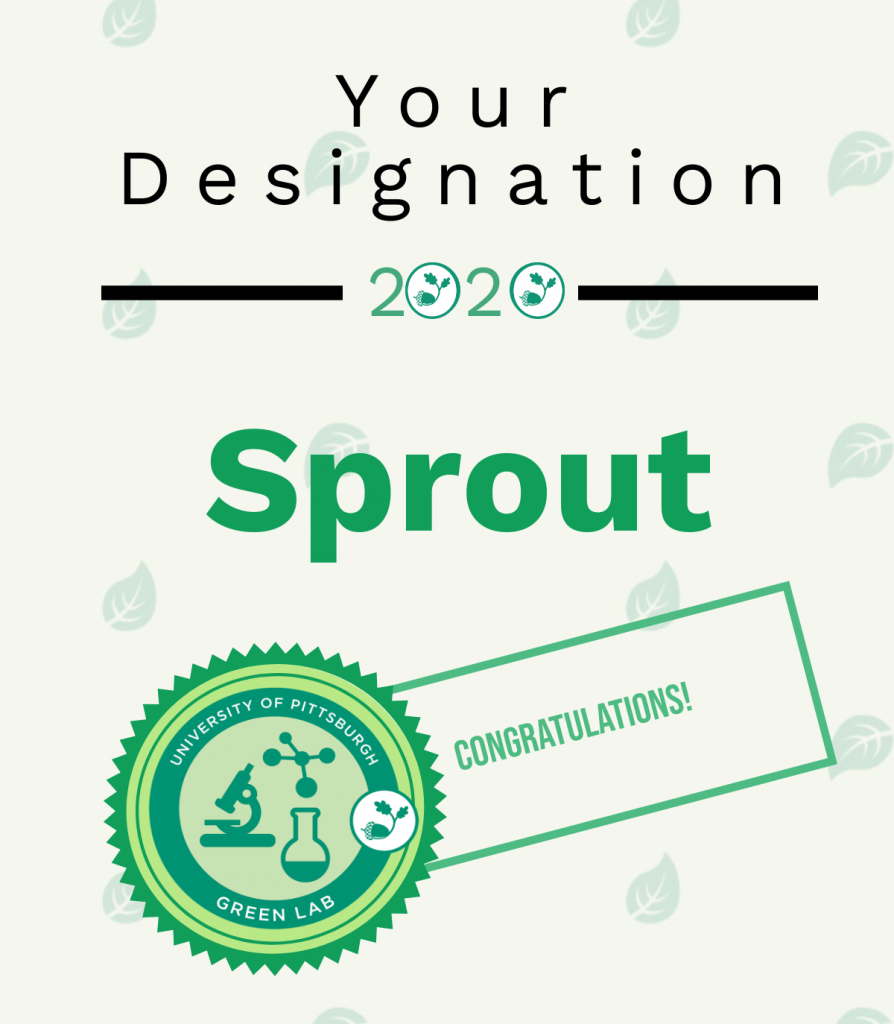
The Carvunis Lab has been awarded a Green Lab Certificate showing our commitment to the good practices of recycling, re-using and reducing.
Where Do New Genes Come From?
April 9, 2020

Check out this new press article, Where Do New Genes Come From? recently published in Quanta Magazine. The article spotlights recent publications in eLIFE and Nature Communications from The Carvunis Lab and collaborators on the origins of new genes.
New Publication in eLIFE
February 20, 2020

Check out this new publication from Dr. Carvunis, The Carvunis Lab and collaborators in eLIFE, “Synteny-based analyses indicate that sequence divergence is not the main source of orphan genes.” The publication explores the origins of orphan genes!
Also, the publication was featured in an eLife article here.
Recent Nature Communications Publication from The Carvunis Lab and Collaborators
February 10, 2020
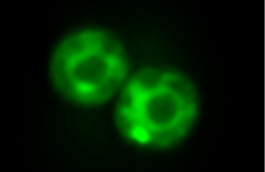
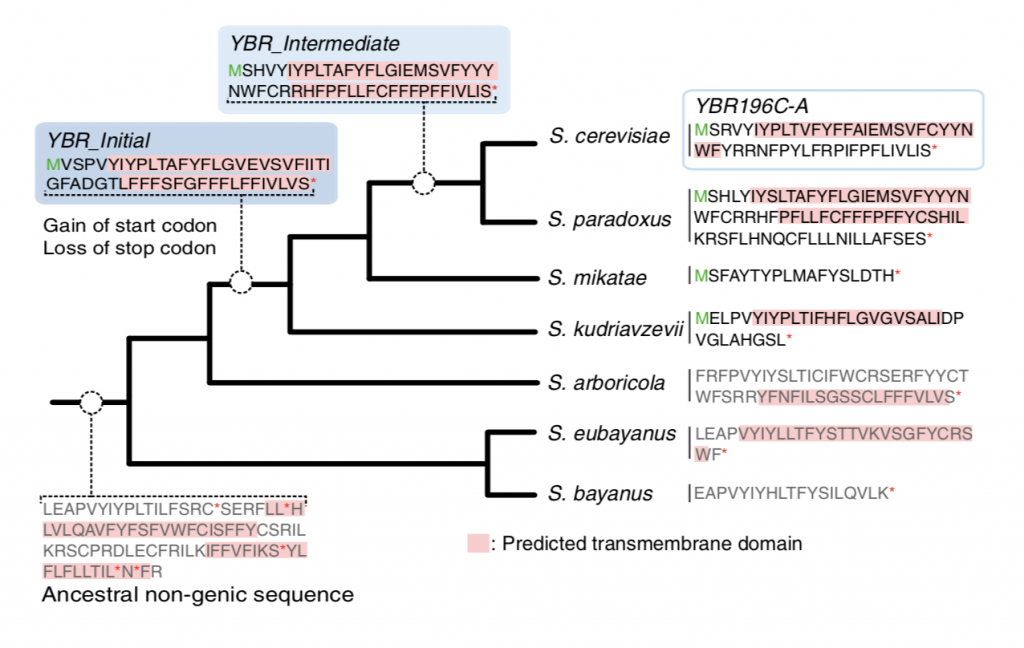
Check out this new publication from The Carvunis Lab and collaborators in Nature Communications, “De novo emergence of adaptive membrane proteins from thymine-rich genomic sequences.” This publication investigates the de novo emergence of adaptive membrane proteins!
Two Recent Articles from The Carvunis Lab Accepted to Nature Communications and eLIFE
January 23, 2020

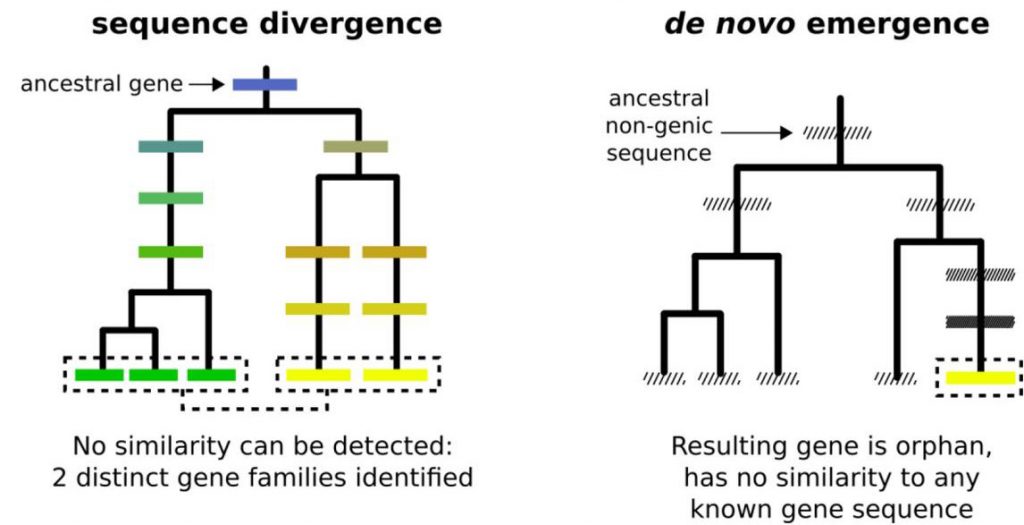
Check out this preprint accepted to Nature Communications on the de novo emergence of adaptive membrane proteins, “De novo emergence of adaptive membrane proteins from thymine-rich intergenic sequences.” Additionally, this preprint, “Synteny-based analyses indicate that sequence divergence is not the main source of orphan genes,” has been accepted to eLIFE; it explores the origins of orphan genes. Stay tuned for the updated published versions!
The Recalcitrance and Resilience of Scientific Function
January 23, 2020

How is the concept of function shaped by the diverse perspectives of scientists within and across disciplines? Dr. Anne-Ruxandra Carvunis and colleagues explore the use of function in research of de novo gene birth. Have a look at this article, “The Recalcitrance and Resilience of Scientific Function.” It’s been published in the rhetorics journal, Poroi.
Dr. Anne-Ruxandra Carvunis Recognized as Outstanding New PI
November 26, 2019

More good news! Dr. Anne-Ruxandra Carvunis recognized as the outstanding new PI of the month by an international community of early stage faculty. Find out more about her exciting experience and research by here: https://newpislack.wordpress.com/2019/11/26/anne-ruxandra-carvunis-ph-d/
Read about other talented young PIs around the globe over here: https://newpislack.wordpress.com/outstanding-new-pis/
How Old Is Your Dog in Human Years?
November 15, 2019


A Science news article features the work of Dr. Anne-Ruxandra Carvunis and her colleagues at the Ideker Lab who have figured out a more scientific way of converting dog years to human years using DNA methylation signature. You can read the article in Science, “Here’s a better way to convert dog years to human years, scientists say,” here. The preprint, “Quantitative translation of dog-to-human aging by conserved remodeling of epigenetic networks” is available here.
The Meanings of ‘Function’ in Biology
November 1, 2019

Dr. Anne-Ruxandra Carvunis and colleagues explore the various meanings of ‘function’ in biology and its implications on the field of de novo gene birth. Have a look at this thought provoking article, “The meanings of ’function’ in biology and the problematic case of de novo gene emergence.” Let’s start a conversation on ‘function.’
Halloween 2019
November 1, 2019


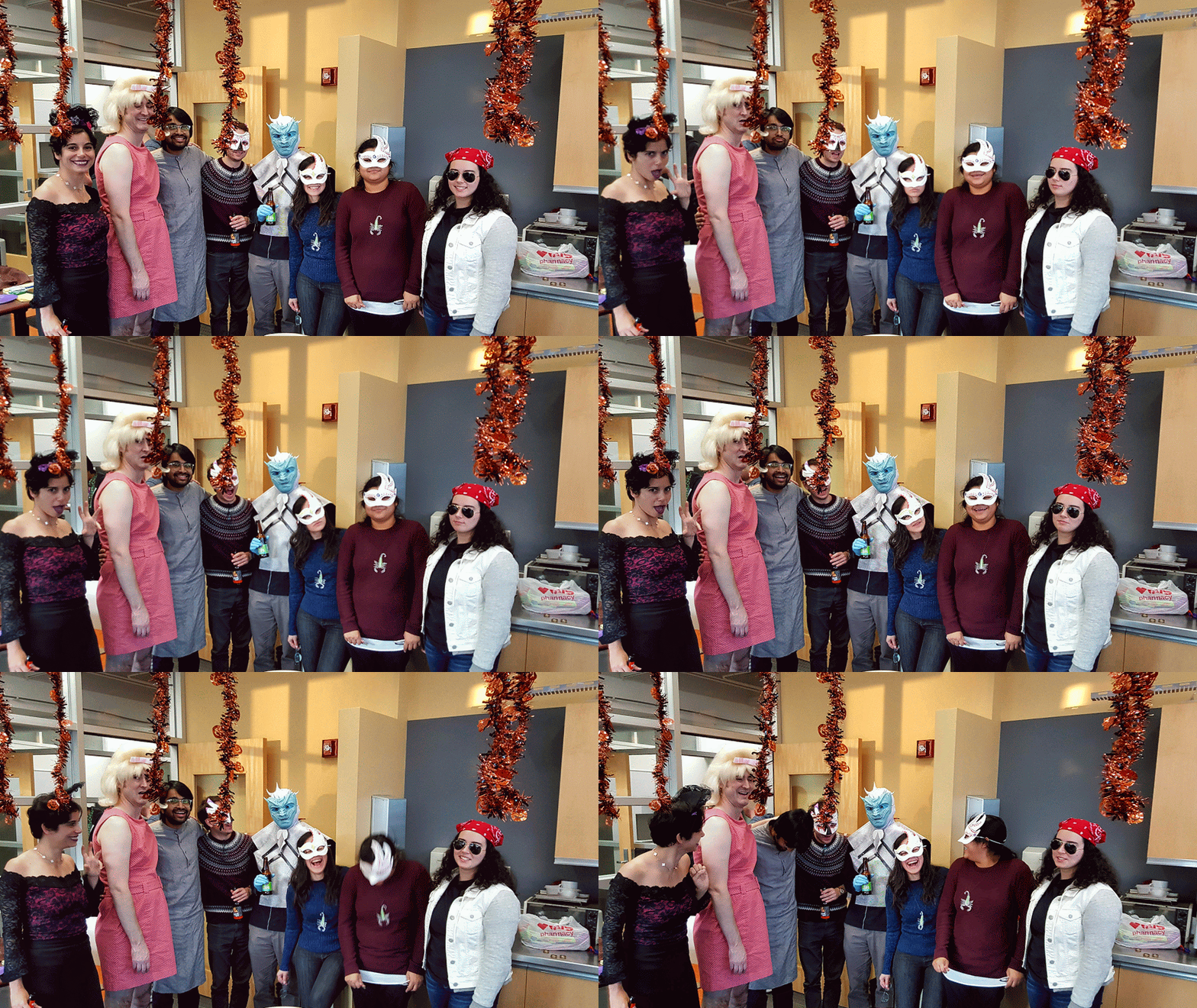


The Carvunis Lab celebrated Halloween in style this year! We not only had a costume-style lab meeting but also hosted this year’s Halloween party at work. It is important to remind everyone that doing science is not the only scary part of life!
Carvunis Lab Members Featured in the Departmental Newsletter
October 30, 2019


Dr. Anne-Ruxandra Carvunis made news for receiving the prestigious NIH Director’s New Innovator Award and Carly Houghton was the ‘Student Highlight’ in the latest edition of the Computational & Systems Biology Department’s newsletter.
Tiny Proteins, Huge Impact
October 18, 2019

Ubiquitous tiny little proteins that can boost or block the impact of their bigger kin! Read all about this fascinating phenomenon and how some of these can indeed be proto-genes in this Science article featuring commentary from Dr. Anne-Ruxandra Carvunis.
News Feature on De Novo Gene Birth
October 16, 2019

Want to know “how evolution builds genes from scratch”? Check out this article in Nature to read what some of the leading researchers in the field of de novo gene birth have to say.
Dr. Anne-Ruxandra Carvunis Receives the NIH Director’s New Innovator Award
October 7, 2019

Dr. Anne-Ruxandra Carvunis was awarded the highly prestigious NIH Director’s New Innovator Award for 2019. This award supports “exceptionally creative early career investigators who propose innovative, high-impact projects” and will help further The Carvunis Lab’s efforts to understand how DNA sequences go “From Non-Coding to Coding.”
Goodbye and Good Luck to John!
October 4, 2019


It was a bitter-sweet day for The Carvunis Lab to see our oldest member move on. John Iannota has been an integral part of the lab since even before there was one. During his time with us, he has initiated multiple projects, both bioinformatic and experimental, and helped established a variety of protocols and mutant collections that will continue to help the current and future members of the lab for years to come. He is going to continue his quest in science at Susana da Silva’s lab where he will investigate fovea development using retinal organoids. It is difficult to see him go but we can find some relief in the fact that he is not going too far from us. We wish him all the good luck for his future endeavors and hope that he continues to do great science!
We all celebrated his last day at the pizza joint where he worked part-time when he first joined the lab. He continues to remain a great salesperson for them!
EPiC Conference
September 14, 2019
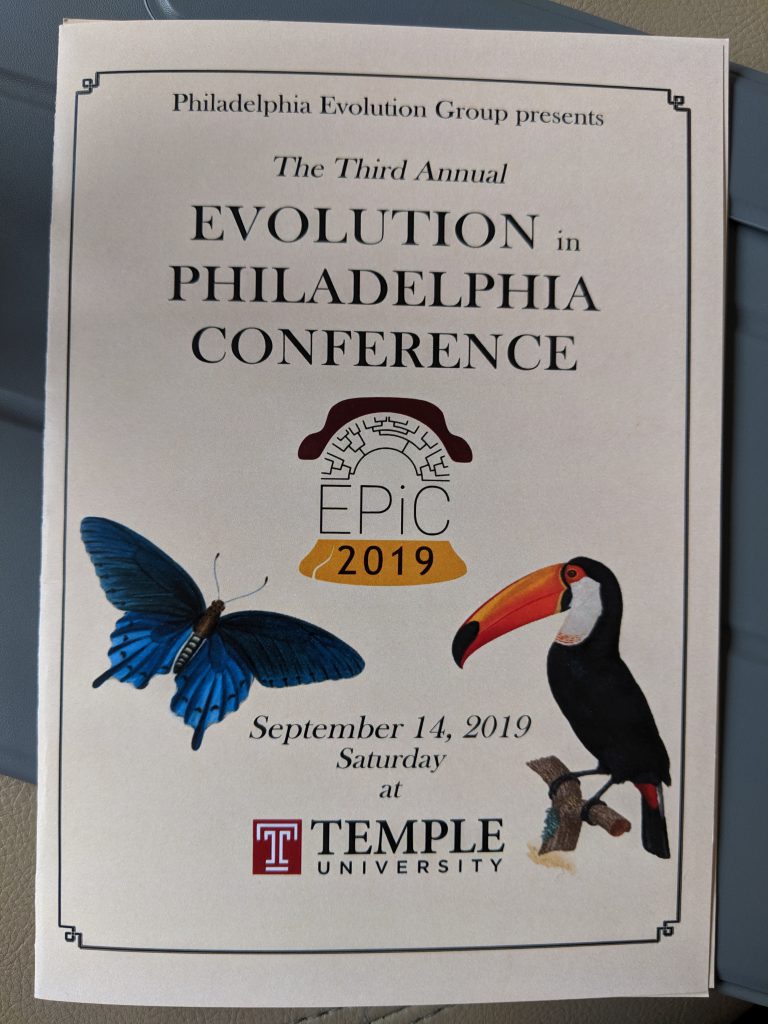
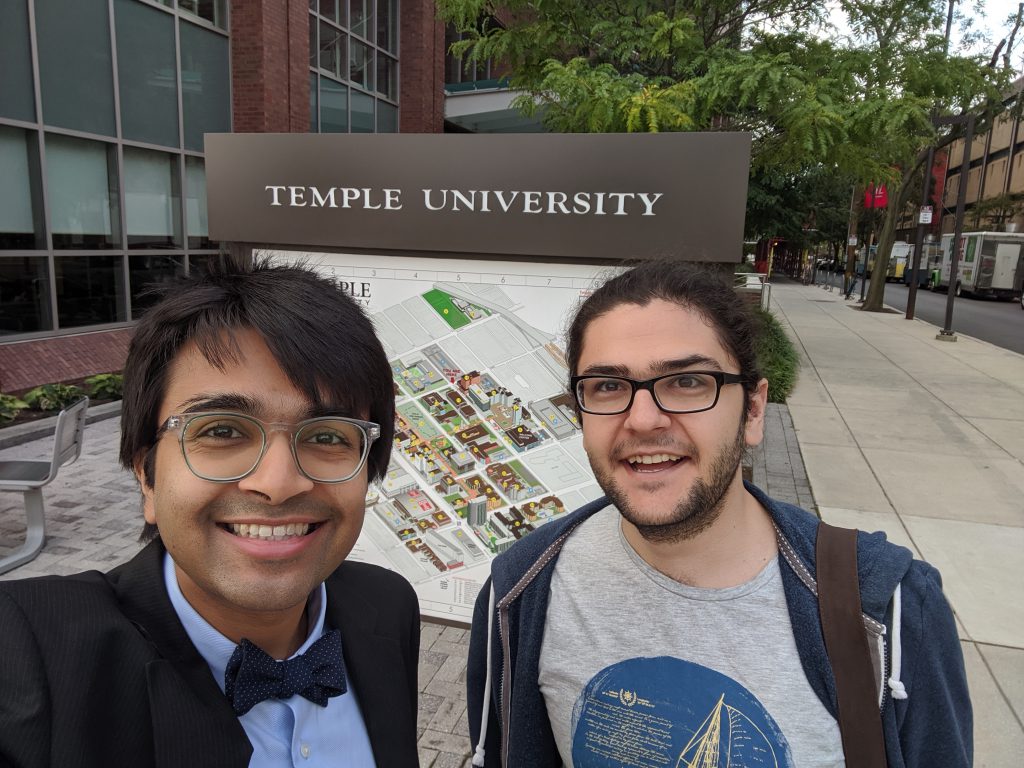
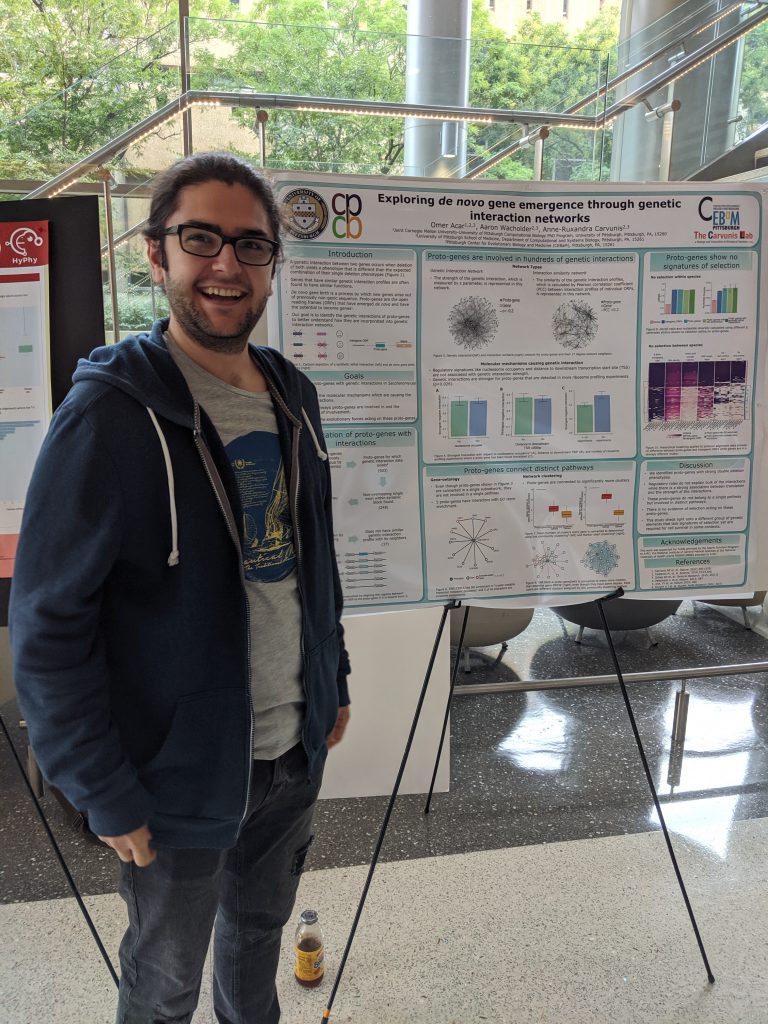
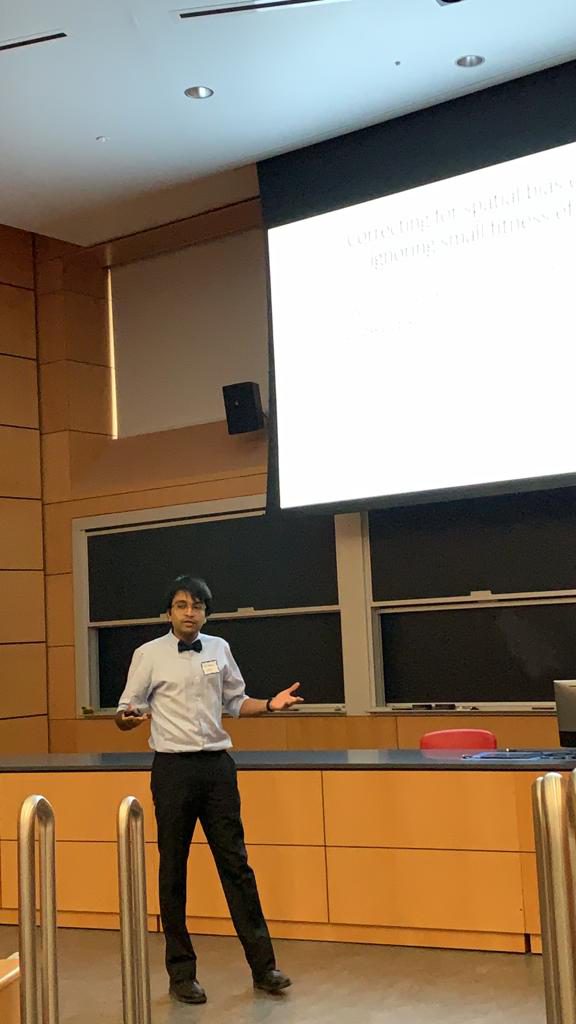
Omer Acar and Saurin Parikh took a road trip to Philly for the Evolution in Philadelphia Conference. Omer had a great poster on “Exploring de novo gene emergence through genetic interaction networks” and Saurin gave a 5-minute talk on the LI Detector, a bioinformatic tool to measure small fitness effects in colony-based high-throughout screens.
Lab Retreat Week!
August 23, 2019


Doing science is difficult and hence we retreat! The Carvunis Lab members took a break from the lab and decided to have some fun outdoors, but that doesn’t mean there wasn’t any science happening!
Goodbye Summer ’19 Students
August 19, 2019


Today we said goodbye to our amazing summer students: Jake, Kate and Tanvi! All of them did a wonderful job over the summer with projects ranging from figuring out new metabolic pathways in yeast, to creating mutants using CRISPR, to cataloging all possible phenotypic data of yeast mutants present in the SGD database. Carly made this occasion extra special with her home-made hummingbird cake.
Mega Journal Club
June 7, 2019


We experimented with a new way to learn about a topic: what happens when you put random sequences into cells? We had a potluck picnic at a nearby park, then sat in a circle and each presented a paper on the topic, spanning decades, techniques and model organisms. It was a ton of fun and a great way to gain a general understanding of how research is progressing in an interdisciplinary field. Highly recommend!
De Novo Gene Birth Now Has Its Own Wiki Page
May 24, 2019


Everything you were dreaming to learn about de novo gene birth now at your fingertips in this invited review written with postdoctoral fellow Branden Van Oss, available at PLOS Genetics and on Wikipedia!
New Carvunis Lab Manual
March 11, 2019

We were inspired by great team leaders like Angela DePace, Prachee Avasthi and others to put together a document that lays out our lab culture, training expectations, safety rules, etc. Basically everything you need to know if you are joining or thinking of joining our lab! It’s so nice to have it in writing, I hope that will help strengthen our productivity and avoid any misunderstanding in the future. Thanks all lab members for their input! Any prospective lab member interested in looking at the document can request access by emailing Dr .Carvunis or Nelson Castilho Coelho.
Halloween 2018
October 31, 2018


The Carvunis Lab celebrated Halloween with costumes, cookies, and camaraderie.
Happy Birthday EVERYONE
September 7, 2018

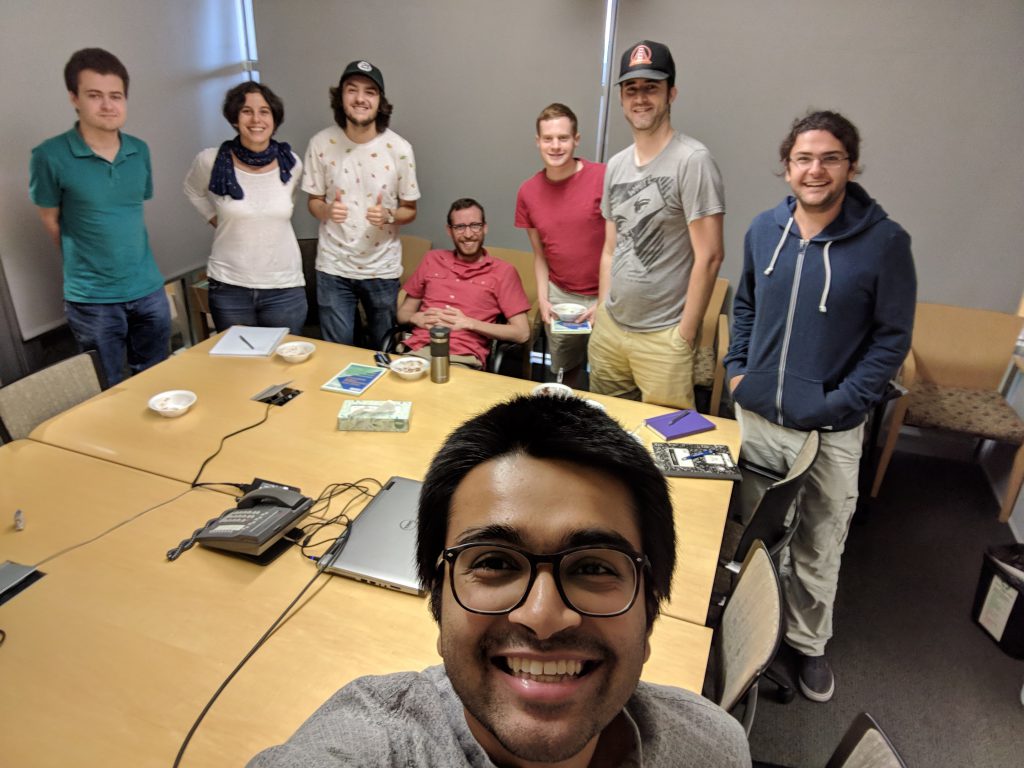
Today we celebrated the birthdays of: John, Nelson, Branden, Saurin, Omer, and even Anthony! Almost the whole lab has birthdays within 2 weeks of each other. Happy birthday (almost) everyone!
Dr. Anne-Ruxandra Carvunis Receives 2018 Trailblazer Award from The Ladies Hospital Aid Society
September 6, 2018

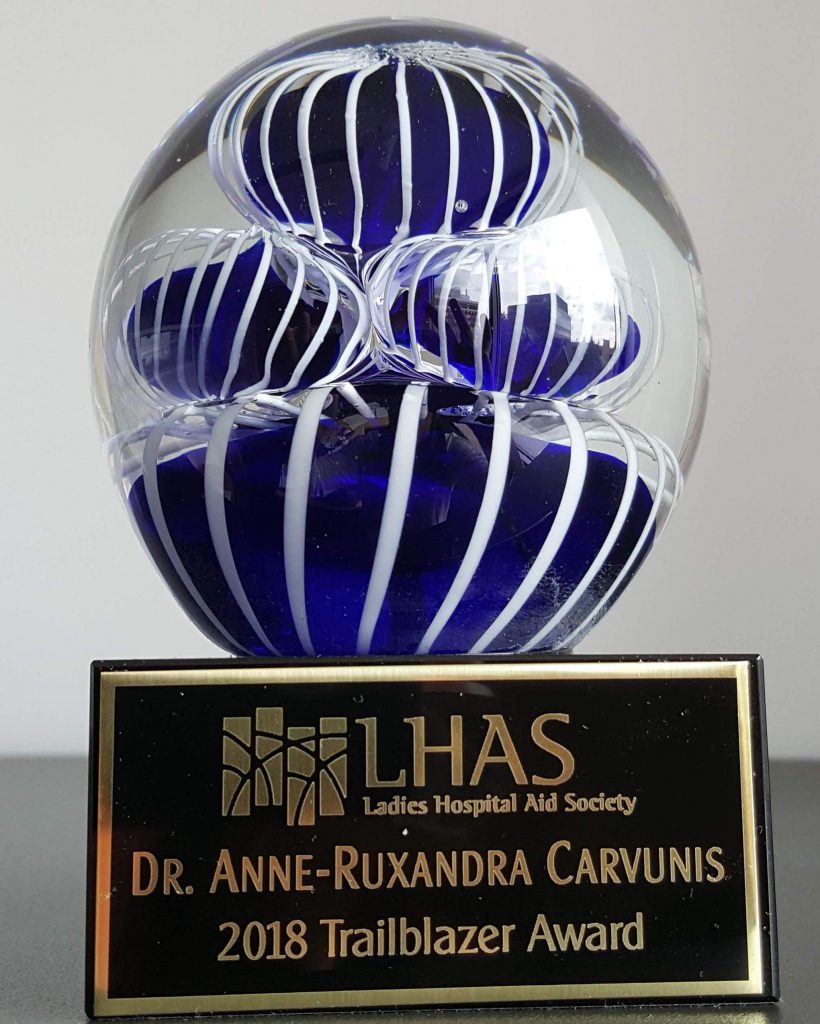
The Ladies Hospital Aid Society has been a pillar of community service in Pittsburgh since 1898. This year, they organized a Fire and Ice gala celebrating 6 Trailblazers for their outstanding contributions to science and patient care, including Dr. Carvunis. This honor is very special; it exemplifies how much the Pittsburgh biomedical leadership community trusts that fundamental evolutionary research will have lasting medical impact.
Announcing the Founding of The Pittsburgh Center for Evolutionary Biology and Medicine
September 1, 2018

The Carvunis Lab is proud and excited to announce that Dr. Anne-Ruxandra Carvunis has co-founded a new collaborative center together with other evolutionary biologists at the University of Pittsburgh School of Medicine. The mission of the Center for Evolutionary Biology and Medicine (CEBaM) is to advance the fields of evolutionary biology and medicine by catalyzing research at their interface. CEBaM serves to cultivate educational and scientific collaborations between evolutionary biologists and biomedical researchers. As momentum builds, CEBaM will offer a yearly award to catalyze research at the interface of medicine and evolutionary biology. Visit CEBaM’s website to learn more about this exciting initiative!
Goodbye and Good Luck Selin!
August 23, 2018


A bittersweet moment together, saying goodbye to Selin Sevgi who returns to Turkey to finish her undergraduate studies. Selin brought a lot to our group in the two summers she spent with us. We will always remember her fondly! Best of luck Selin!
Celebrating BaDoi
August 7, 2018
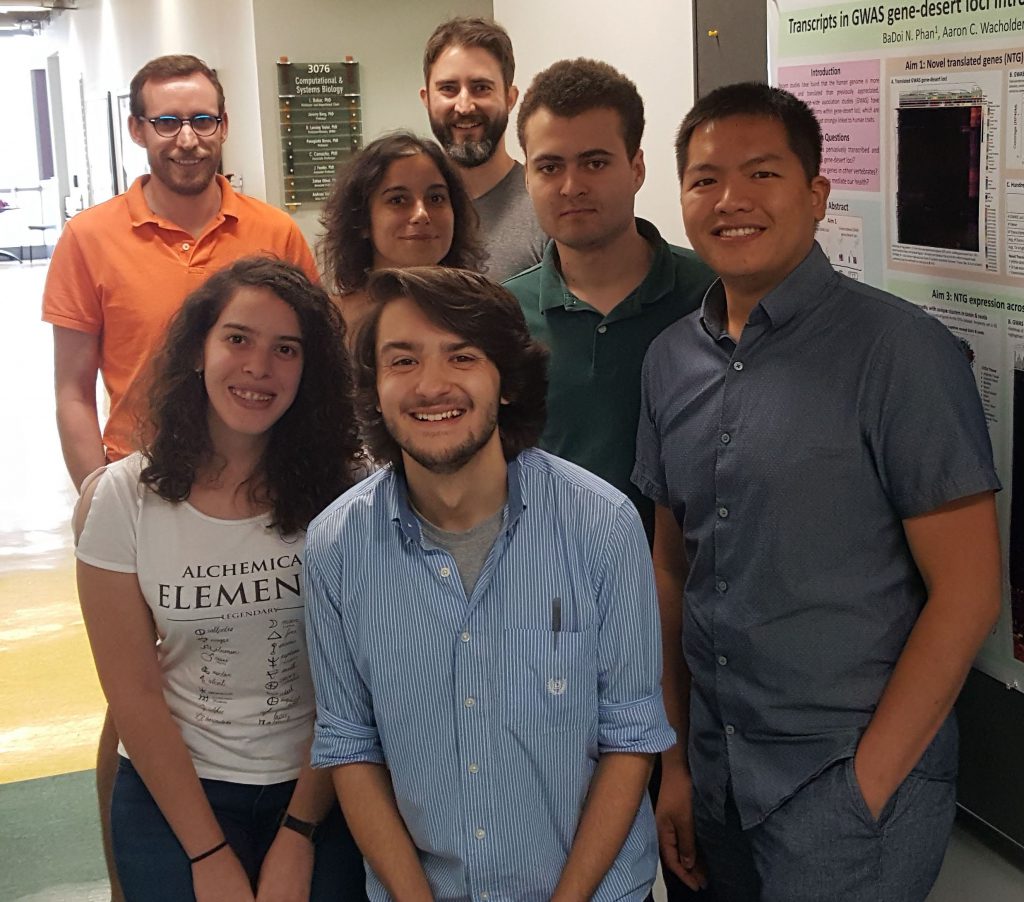
BaDoi Phan has finished his excellent rotation work in the lab – Onto Med School!
Carvunis Lab Summer Party!
May 29, 2018


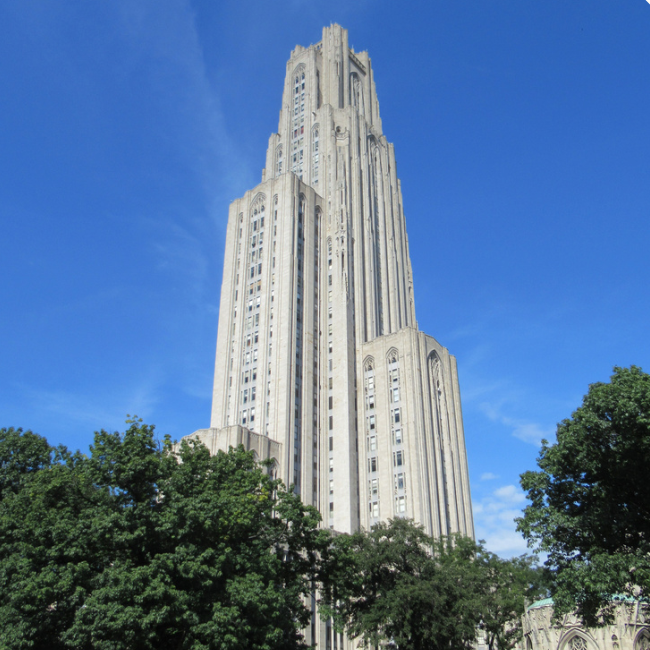
We had a nice picnic to welcome summer students and celebrate the beginning of summer next to the iconic Cathedral of Learning.
Of Mice, Men and Immunity
April 23, 2018
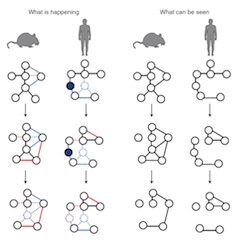
Our first manuscript on evolutionary systems medicine, “Of mice, men and immunity: a case for evolutionary systems biology” is published in Nature Immunology. A network-based vision of how evolution complicates comparative studies between human and mouse, and what that means for biomedical research. Great collaboration with eminent immunologist and veterinarian Peter Ernst, from UCSD.
Check out the publication.
Dr. Anne-Ruxandra Carvunis Receives Searle Scholars Award
April 15, 2018

The Kinship Foundation, established by the Searle family, has named Dr. Anne-Ruxandra Carvunis as one of the 15 recipients of the prestigious Searle Scholars Program for High Risk/High Reward research. Dr. Carvunis is elated that she is granted the honor of joining this group of outstanding scientists.
Evolutionary Systems Medicine
February 15, 2018

How can we improve translation of biological knowledge between mouse models and human patients? Stay tuned for a forthcoming manuscript in Nature Immunology that proposes how an evolutionary systems approach may help increase the success of future clinical trials.
The Plate Factory
November 15, 2017


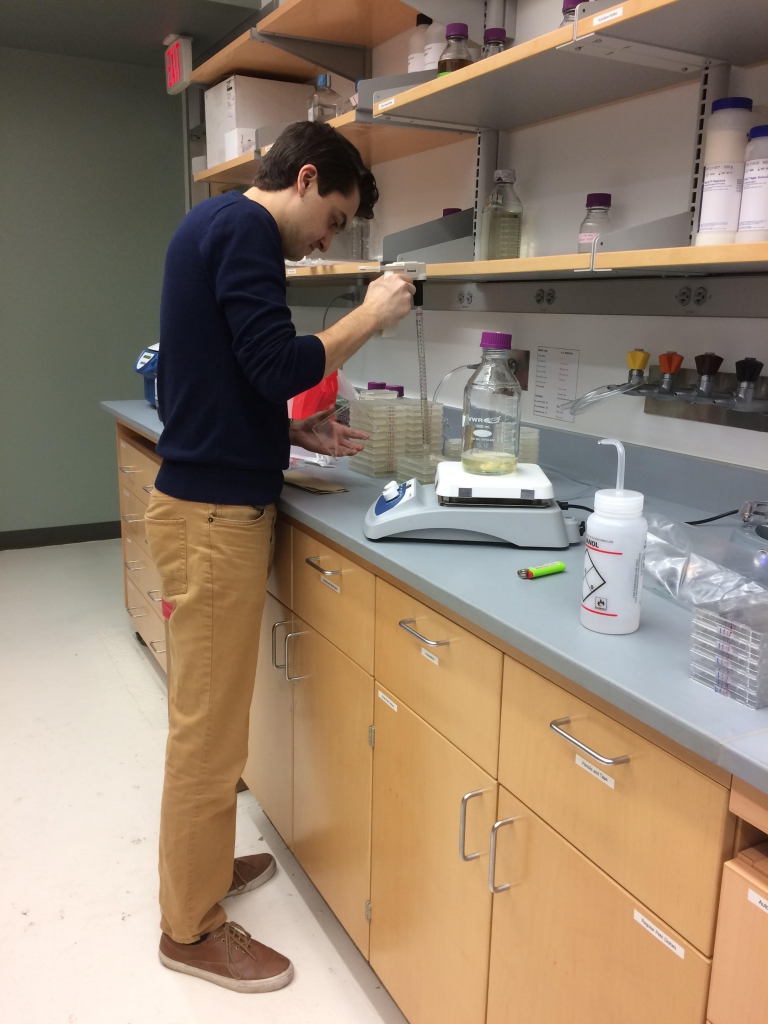
We are now pretty much a fully equipped yeast lab. Nelson is super proud of Saurin and John working in the plate factory!
Halloween Party 2017
October 27, 2017


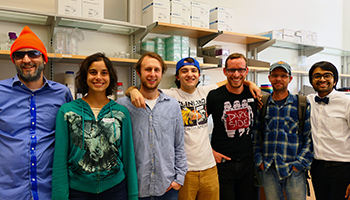

Fun times with silly costumes at our Halloween Party with everyone on the 10th floor.
Selin’s See-Off
September 15, 2017

Today we said goodbye to Selin who visited us from Turkey for the summer. Have a safe journey, good luck for the coming school year and we all hope to see you soon!
Eclipse Party!
August 21, 2017
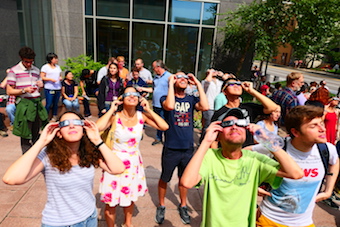

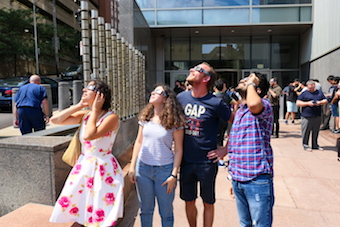
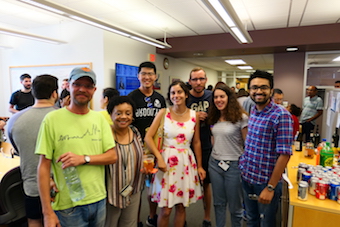
Fun times at the Eclipse Party organized by the Department of Computational and Systems Biology.
First Paper from The Carvunis Lab Published in Mol Biol Evol
January 12, 2017

This was a very international project with Diethard Tautz (Germany), Tomislav Domazet-Lošo (Croatia), Mat Alba (Spain) and others. We asked how the technical limitations of BLAST may interfere with our ability to know when sequences have emerged in evolution. You can read the full publication, “No Evidence for Phylostratigraphic Bias Impacting Inferences on Patterns of Gene Emergence and Evolution,” here.
The Carvunis Lab Is Open!
December 15, 2016

It all begins on December 1, 2016: with an office, a desk, a gutted lab space undergoing serious renovations and a nice plaque on the wall.